1609
2014
2014

Don't miss the callus
Don't miss the callus
Calluses, which can appear in any breed, size and in many different ways, become a serious nuisance, a bad appearance and an intense problem for those who suffer from this problem.
The first step in coping with any kind of problem is to research, recognize and act consciously about the problem you are facing.
What is a callus?
The reason for the formation of callus is actually to help that part of the body; When the skin feels irritation in a certain area due to friction or pressure, it reacts by thickening, that is, it protects that area by forming calluses. Therefore, the definition of nasir in its simplest form is thickening of the skin for the purpose of protection.
Most of the callus-formed areas of the body are weight-bearing areas of the body. This thickening may not be only in the feet, but the foot is the area where the callus is most intense, and it is usually mentioned about foot calluses.
What do you mean by friction or pressure? Examples of these are shoes that are too tight or tight, a friction that may occur from a hard floor, even the pressure or friction of two toes against each other. In each such instance, repeated pressure or friction causes corns to form.
The most common callus is called “celloma dura (HD)” and consists of the contact of the top of the finger with the shoe while walking. Softer calluses “celloma molla (HM)” are the types that form between two fingers.
What causes?
In simple terms, the main reason for the formation of calluses is the excessive pressure that occurs with friction in one or more areas of the foot. Although there are many reasons that can affect the formation of callus, the main reasons that can cause such an effect are:
*tight shoes
* Shoes that do not fit the foot structure
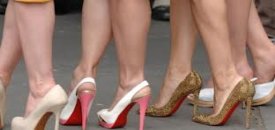
*High heels
* Walk barefoot outside
* Deformations in the toes
*Too much bone in the foot
*Wrong walking (pressing) movement
What are the common symptoms?
Although corns have many different symptoms, there may also be painless calluses that do not cause any symptoms. However, when a callus is formed, the first symptom is usually a sharp pain in the callus area. In mild calluses, the pain disappears when the pressure is removed, but in deep and large calluses, the pain is sharper and more irritating than calluses. Along with the pain, thickening also begins in the area. Although calluses are usually harmless, they require treatment when painful.
*Hard corns: A hardened layer of skin with a dense root (centre). It can occur on the tops of the toes, on the side and top of the little toe, or on the bottom of the foot.
*Soft callus: Appears as a red, tender area with a diameter of approximately 1–4 cm. It has a smooth and thin center. It can be seen on the tooth edges of the toes.
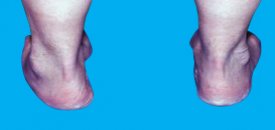
*Seed callus: It is a type of callus that can usually be seen on the sides and back of the heel and consists of dead skin cells.
There are also hereditary types of nasir. They are up to 2.5 cm wide and there is usually no significant pressure or friction for them to form. They can be seen on the bottom of the foot or on the palms. Such calluses are also common in children.
How is it treated?
The treatment of calluses is actually very easy. The first point to be noted is to distinguish calluses from their inflammatory counterparts: those with inflammation will usually ooze pus or blood when scraped, whereas dead skin cells will continue to come out from underneath when the callus is scraped. Once you're sure that it's really the corns that's causing you trouble, many treatments can be applied.
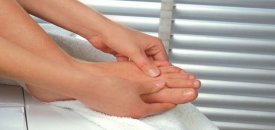
Among them, the most risk-free and healthy method is to destroy the dead skin cells in the area where the callus is located, without damaging the skin, with pumice stone and the like.
Callus patches containing salicylic acid, which can be sold without a prescription, are strong and irritating and should be used with caution. These remove the symptoms of callus because they contain acids and the main purpose is to dissolve the callus with the help of acids.
If applied incorrectly, these medicated patches can kill the healthy skin tissue around the callus and cause allergic reactions. Even in healthy individuals, it carries a risk for the skin, and it can be more dangerous especially in individuals with circulatory disorders and/or diabetes.
When used correctly and consciously in a non-allergic body, they can also reduce the pressure on the callus, thus speeding up the treatment process. Such solutions can cure the callus, but if the causes of the callus are not eliminated, the problem will recur.
Trying to get rid of your calluses by cutting them can also have undesirable consequences. You can create cuts in your skin. Do not forget that the foot is constantly a warm and humid environment where bacteria can easily reproduce.
The main treatment is when conscious individuals pay attention to the following points:
* Wearing the right shoes: It is very important that the nose part of the selected shoe is compatible with the foot when buying shoes. A